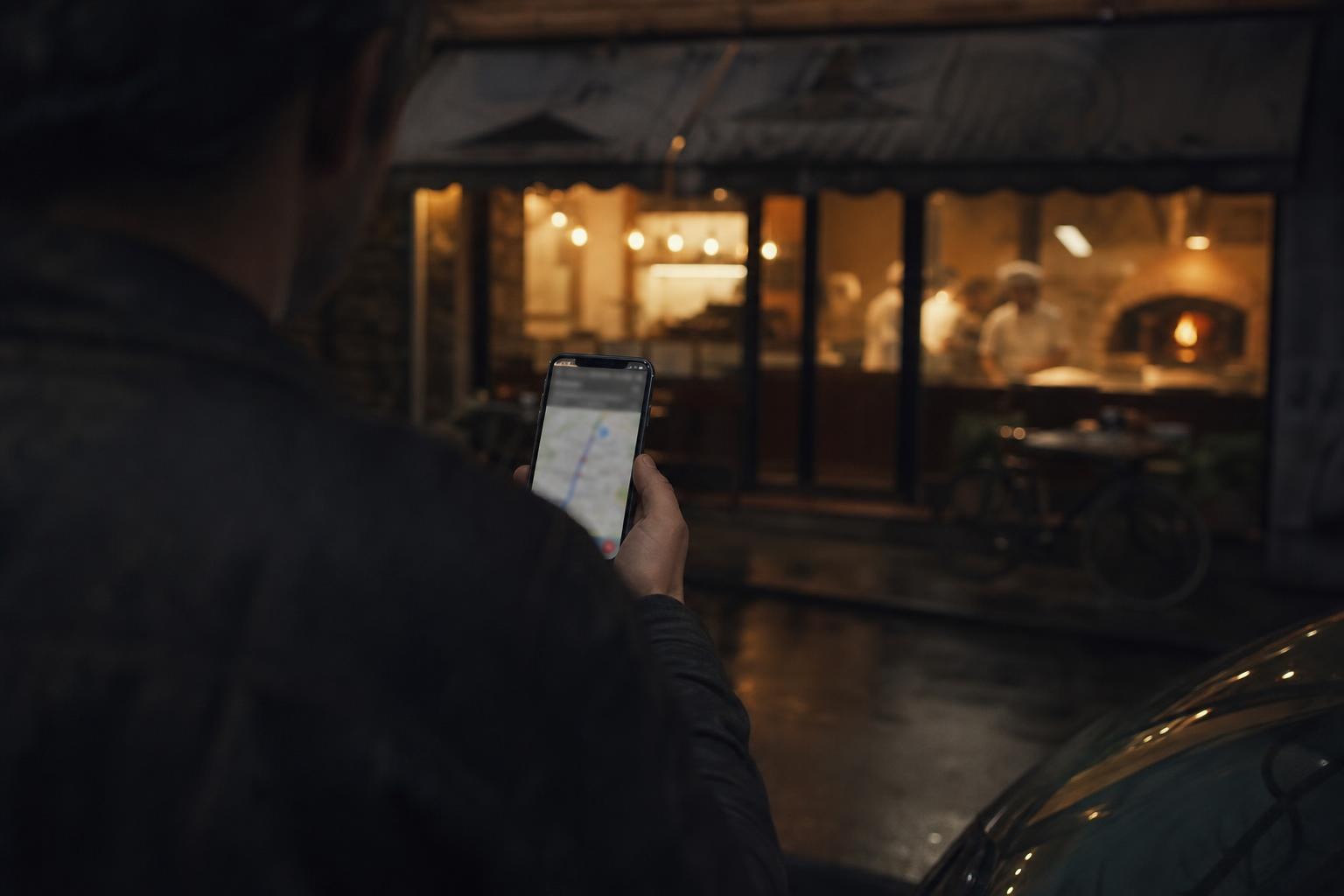
Google’s own consumer research found that 76% of people who search for something nearby on their phone visit a business within a day, and 28% of those searches end in a purchase. BrightLocal’s 2026 Local Consumer Review Survey puts the filter in front of that visit: 97% of consumers read reviews for local businesses, and 68% will only use a business rated four stars or higher. Put those together and the conclusion is uncomfortable: far more people looked at your Google Business Profile this week than looked at your actual front door. One of those storefronts gets swept, restocked, and relit every day. The other one, in most shops, hasn’t been touched since the profile got claimed.
The profile gets judged before the pizza does
The screening is getting stricter, fast. In BrightLocal’s 2026 survey, 31% of consumers now require a minimum of 4.5 stars — nearly double the 17% who said so a year earlier. Volume matters too: 47% won’t use a business with fewer than 20 reviews.
Freshness might be the least understood filter. 74% of consumers prioritize reviews from the last three months, and 32% want to see something posted within the last two weeks. A 4.6-star rating built on reviews from 2023 reads as a shop coasting. The rating you earned is not the rating being judged — the recent rating is.
And the audience reading it is splitting. 71% of consumers use Google to read reviews, down from 83% a year ago, while 45% now ask AI tools like ChatGPT for recommendations — up from 6%. Those AI answers are assembled largely from the same public data: your reviews, your hours, your photos, your listing. Neglecting the profile now means being misrepresented in two channels instead of one.
Responding to reviews is a revenue activity, not manners
The best-documented lever on the whole profile costs nothing but time. A study of TripAdvisor hotel listings published in Harvard Business Review found that when businesses started responding to reviews, they received 12% more reviews and their ratings rose an average of 0.12 stars — small-sounding, until you remember platforms round displayed ratings, so 0.12 can be the difference between showing 4.0 and 4.5.
Consumers say the same thing directly: 89% expect owners to respond to reviews, and 80% are more likely to use a business that responds to all of them. One warning before you automate it: 50% of consumers say they’d avoid a business that uses generic, templated responses. Three specific sentences from the owner beat a paragraph from a bot.
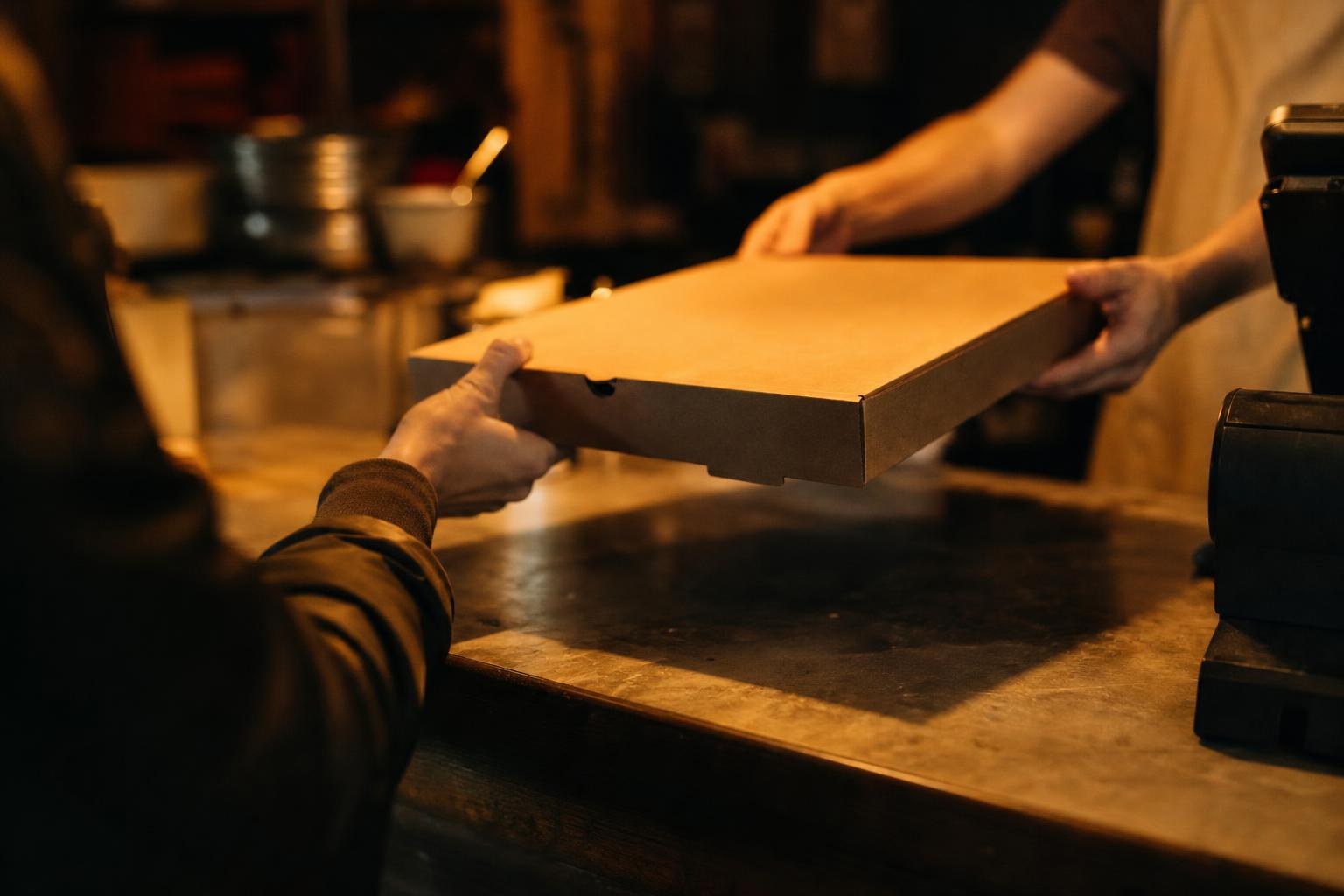
Nobody walks past your storefront anymore. They scroll past it — and wrong hours on Google are a lights-off window with the ovens running.
The unmanaged profile doesn’t fail loudly — it just goes quiet
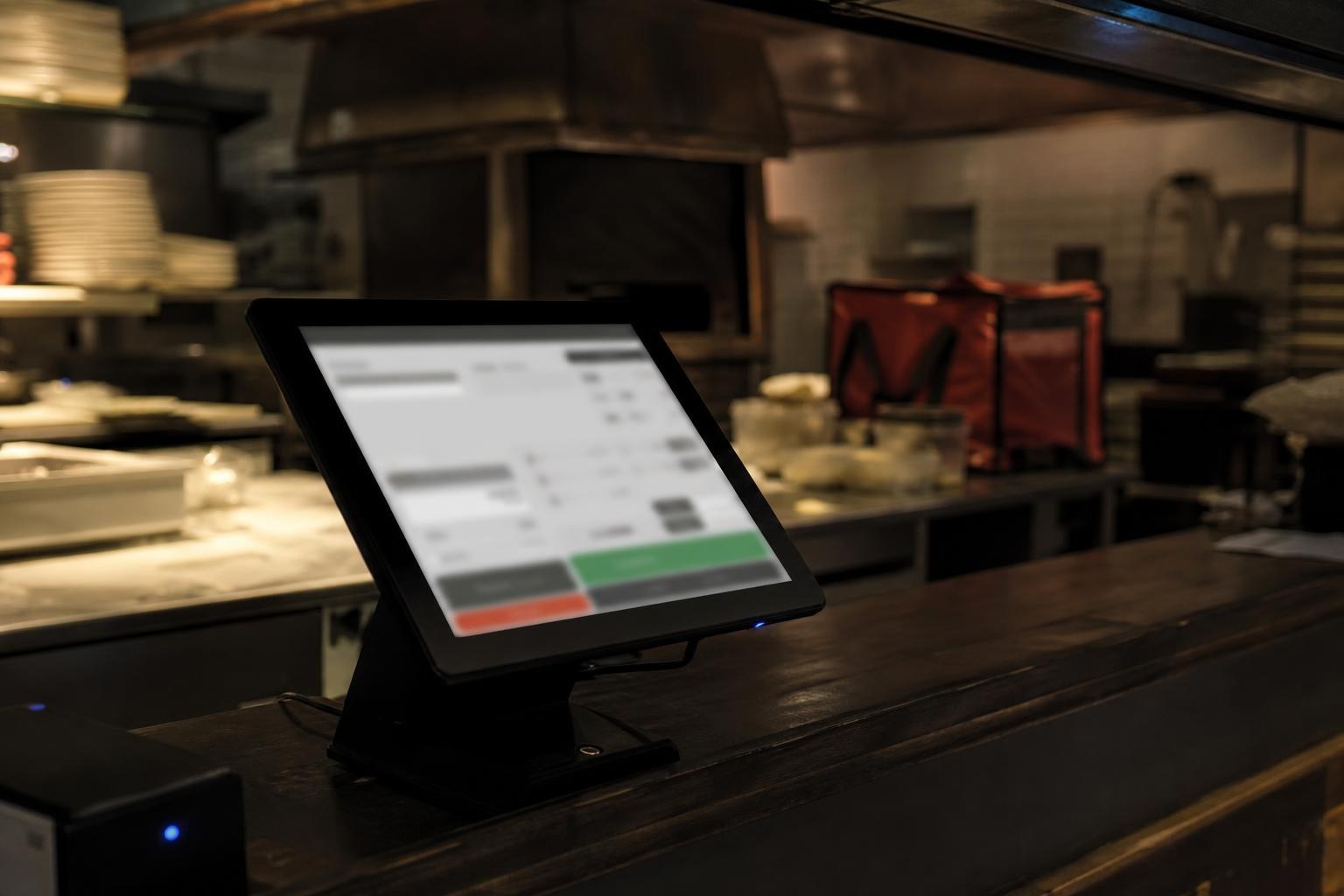
Wrong holiday hours, a dead order link, a phone number that rings the old location: none of these show up as a complaint, because the customer who hit them never becomes a customer. They picked the shop two blocks over whose profile said “open” with a photo posted last Tuesday. The order link deserves special paranoia — if a third-party marketplace has planted its button above your direct channel, every click through it is commission you didn’t have to pay on a customer who was already looking for you. Test it monthly, on a phone, like a customer would.
The Weekly
Get the weekly operator brief.
The sharpest pizza-industry intelligence of the week — what changed, why it matters, and what operators should do with it.
Free. One email a week. Unsubscribe anytime — no hard feelings.
The honest limitations: Google’s 76%-visit figure dates to a 2016 Google/Ipsos diary study and predates the AI-search shift; the Uberall conversion data comes from multi-location brands, not independents; and the review-response study measured hotels on TripAdvisor, not pizzerias on Google. Nobody publishes a pizzeria-specific benchmark for profile conversion — we looked. Directionally, though, every dataset points the same way, and the routine costs you thirty minutes to test on your own numbers. Your Google dashboard shows calls, direction requests, and clicks by month. That’s your before-and-after.