

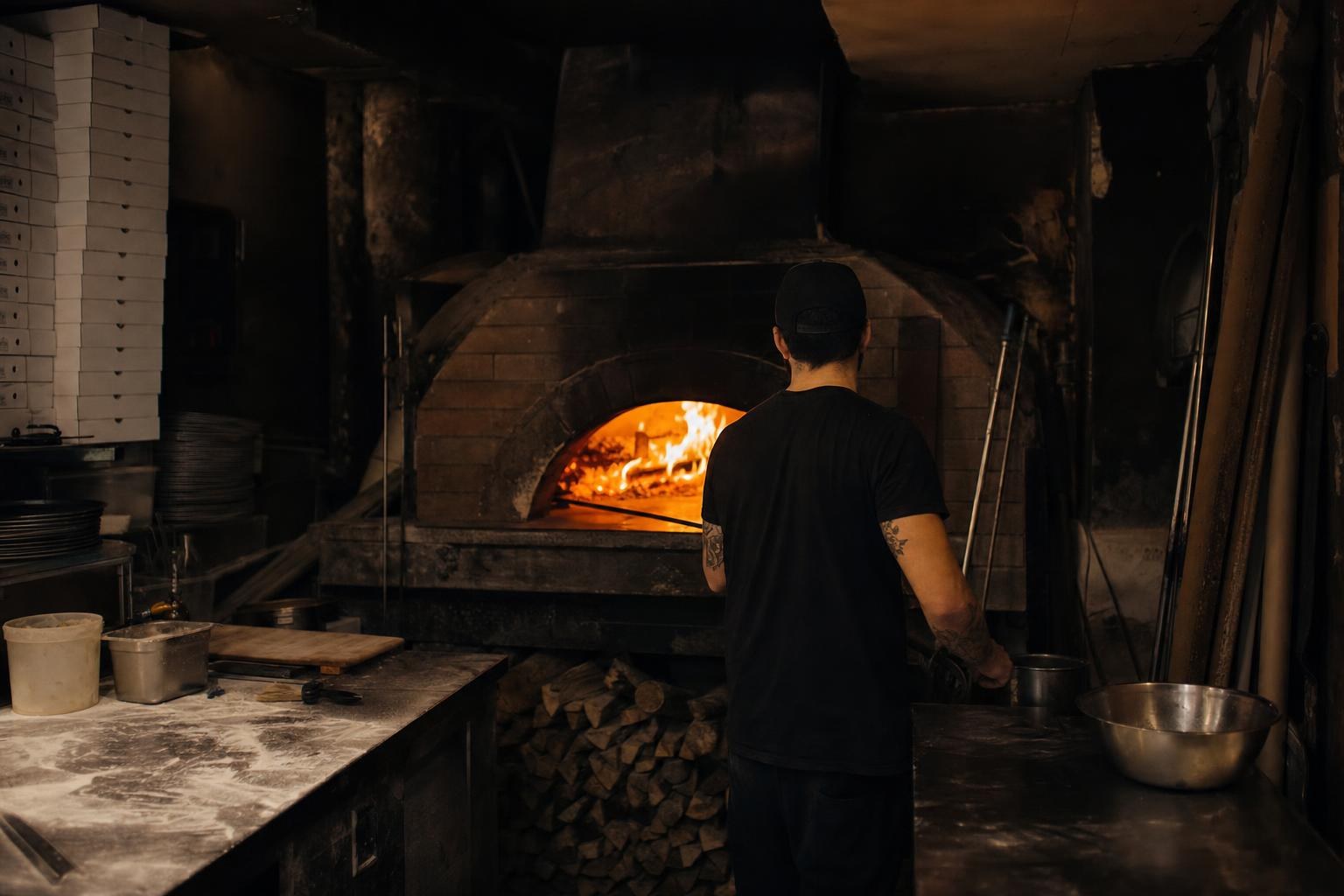
[PLACEHOLDER BODY] This is structured placeholder copy for the PR-001 scaffold. It demonstrates the article reading layer, editorial components, and measure — not final reporting. Every real piece will lead with the actual issue, cite sources, and end with a decision the operator can act on.
Most owners can quote their food cost to the decimal and have no idea what an hour of labor actually produces on a Tuesday. That gap — between the numbers you watch and the numbers that decide the month — is where margin quietly disappears.
What the numbers actually say
[PLACEHOLDER] A short paragraph of context that explains what led here and what the reader needs to understand before the evidence. Real articles carry linked sources for every figure; no invented statistics survive the fact-check gate.
Prime cost is the number that ends arguments. It folds food and labor into one figure, and it is the fastest read on whether a shop is healthy before rent and everything else.
You don’t have a food-cost problem or a labor problem. You have a prime-cost problem, and you can only fix it one shift at a time.
Where it goes wrong
[PLACEHOLDER] Implications — operational, financial, and strategic. What the drift means for the operator, and the tradeoffs to acknowledge honestly.
The Weekly
Get the weekly operator brief.
The sharpest pizza-industry intelligence of the week — what changed, why it matters, and what operators should do with it.
[PLACEHOLDER] A closing section with the concrete next step: what to measure Monday, what to change by Friday, and the one limitation this analysis doesn’t resolve.