Get our free one-page cheat sheet of pizzeria cost benchmarks: food, labor, rent and delivery, with a blank for your own numbers.
The biggest pizza chains are shrinking the pie, and the reason is the solo customer. Circana data cited by the Wall Street Journal shows 43% of U.S. foodservice meals are eaten alone, and Domino’s answered on Aug. 31 with The Domino, a single-serve Detroit-style pie at $6.99 on its Mix and Match deal. Smaller pies and the sauce cups that ride along with them are now pricing tools. Most independents still treat them as afterthoughts, and that’s where the margin leaks.
The chains are chasing the order pizza never got
Domino’s then-CEO Russell Weiner called solo dining “an occasion that pizza doesn’t participate in.” Little Caesars got there first this year with Detroit-Style Slices-N-Stix: two slices, four pieces of cheese bread and a sauce cup for $4.99. Pizza Hut ran Crafted Flattz, a pizza-for-one at $5 before 5 p.m.
The demand is coming from smaller appetites as much as tighter wallets. In a National Restaurant Association survey published in May, roughly one in eight adults said they take a GLP-1 medication (the weight-loss drug class that includes Ozempic). Those users bought from a restaurant 7.6 times in the prior week, against 5.1 for non-users, and smaller portions were among the most common changes they made to their orders. Technomic, as Nation’s Restaurant News reported, has snacking occasions at restaurants up nearly 7% even as overall traffic is down.
Casual dining is moving the same way. Olive Garden tested smaller, cheaper portions on seven entrées, and Darden said an internal affordability measure rose 15%. CEO Rick Cardenas put it plainly: “you don’t need to have uneaten food on the plate to feel that you’ve gotten good value.”
A small pie still needs a full-size box
Here’s the trap in a pizza for one: the food shrinks, the order doesn’t. Jason Cipriani, pricing his food-truck menu in Pizza Today, put a 10-inch cheese at $1.11 in food and soft goods at $0.73 a pizza. By that math, soft goods are about 40% of the small pie’s cost before anyone touches it.
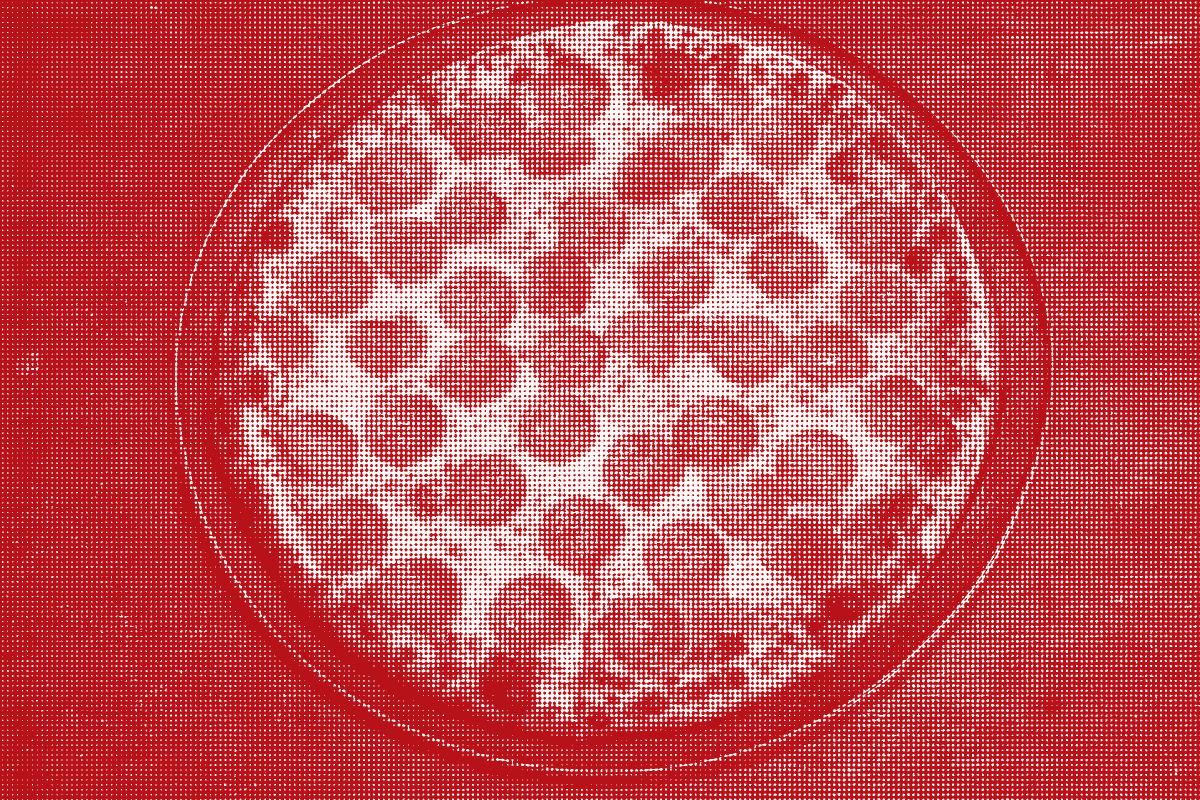
So don’t price the small pie by area. A 10-inch is about 78.5 square inches, roughly 69% of a 12-inch’s 113.04. Price it at 69% of your 12-inch and the box, the cup, the ticket and the minute on the make line all get a discount they didn’t earn. Start from what the order costs you, then decide what a solo customer pays for skipping the leftovers.
The chains didn’t sell the small pie alone, either. The Domino’s $6.99 only works on a deal that requires two or more items. Slices-N-Stix bundles bread and sauce. The small pie is a door to a bigger ticket, not a cheaper version of the one you already sell.
The pie got smaller. The box, the ticket and the minute on the make line didn’t. Price the order, not the inch.
The dip cup is a product. Price it like one.
Papa Johns built a whole limited-time item around the cup: the Papa Dippa, 14-inch dough cut into 16 strips with four sauce cups for $13.99, with the sauces also sold on their own or as a three-sauce flight. Independents can do the arithmetic for much less.
Ken’s buttermilk ranch lists at 17 cents a fluid ounce by the case on WebstaurantStore, and a lidded 2-ounce cup at 9 cents. That’s about 43 cents a filled cup. Our 12-inch pepperoni runs about $2.84 in food, so one free cup adds about 15% to the pie’s food cost.
Charged for, the same cup earns. Hengam Stanfield of Mattenga’s Pizzeria in San Antonio told PMQ the shop charged 75 cents per 2-ounce ranch and sold 1,000 to 1,200 a month. At today’s list costs, that’s about 32 cents a cup, our arithmetic on their 2024 price. Thin, but it’s 32 cents you were otherwise paying out.
Thin crust saves pennies, not dollars
Thin crust keeps showing up next to smaller portions on trend lists, and Pizza Today’s 2026 survey had Chicago thin climbing into the top three styles. Just don’t count it as a food-cost move. Tom Lehmann’s thin crust used 10 ounces of dough on a 12-inch, against 11 ounces for his regular. An ounce of dough carries about 3 cents of flour, by our math. Sell thin because customers want it, and price it like any other style.
Free cheat sheet: 15 pizzeria cost benchmarks on one page
Prime cost, labor, delivery and rent, each with its source and a blank for your shop’s number. Enter your email and the download opens right away.
You’ll also get the Oven Scars newsletter. We never sell or share your address.
The limitation: nobody has published whether a small pie at an independent brings new orders or just trades regulars down from a medium. The chains aren’t saying yet. Domino’s reported U.S. same-store sales up just 0.3% for its third quarter, but The Domino was on sale for only part of that quarter, so the number says nothing about it either way. No one publishes dip-cup attach rates (the share of orders that include one) either. Your POS will tell you faster than the trade press will.
Common questions
Should a pizzeria sell a single-serve or personal pizza?
The chains think so. Domino's launched a one-person pizza in August 2026 and Little Caesars a $4.99 two-slice meal in January. Circana data reported by the Wall Street Journal says 43% of U.S. restaurant meals are eaten alone. Price it off what the whole order costs you, because the box doesn't get smaller.
Should I charge for dipping sauce at my pizzeria?
Usually, yes. At restaurant-supply list prices, 2 ounces of ranch in a lidded cup costs about 43 cents. Given away with a 12-inch pepperoni, that's about 15% more food cost on the pie. One San Antonio shop told PMQ it charged 75 cents a cup and sold over 1,000 a month.
Is thin crust cheaper to make?
Barely. Tom Lehmann's thin crust used about one ounce less dough on a 12-inch than his regular crust, and an ounce of dough holds about 3 cents of flour. Sell thin as a style people want, not as a way to save on food cost.