Get our free one-page cheat sheet of pizzeria cost benchmarks: food, labor, rent and delivery, with a blank for your own numbers.
Chili’s has cut about a quarter of its menu items since Kevin Hochman became CEO in 2022. Papa Johns is pulling Papadias and Papa Bites this year and expects the move to cost roughly 150 basis points of North American comparable sales. Its CEO called it “absolutely the right thing to do” anyway. Meanwhile, a Bikky analysis reported this month found the traffic edge small-menu brands held over large-menu brands has shrunk from about 5 percentage points to about 1. Put those together and the case for a smaller menu gets clearer. You don’t cut to pull new customers in. You cut so the pie that leaves at 7 on Friday matches the one that left at 4 on Tuesday.
Menus grow because nobody prices what an item costs to keep
Adding an item is easy. Datassential says diners now face 23% more items on menus across the industry than two decades ago, with quick-service menus up 20% and fast casual up 33%. Each addition looks cheap on the menu board. The cost shows up later, on the prep list, in the walk-in, and on the makeline.
Hochman’s explanation is about execution, not marketing. He told Fortune that “if you have a tighter menu, it’s much easier to execute that with a full restaurant,” and that the chain went after items that “don’t get ordered very often.” The more complexity a kitchen carries, he argued, the harder it is for the crew to execute well.
Count ingredients, not menu lines
The chains talk about SKUs (individual stocked ingredients and products), not menu items, because that’s where the labor is. In the first half of its fiscal year, Chili’s removed 13 menu items and 12 pantry SKUs and reduced its prep sets. Nation’s Restaurant News tallied the same move across the industry: Einstein Bros cut SKUs by about 40% during the pandemic, Bloomin’ Brands targeted a 10%–20% reduction, and Portillo’s tested a 15%-to-20% cut. Bloomin’ CEO Mike Spanos put the test in one line: “If it’s creating complexity increasing our prep labor costs, that’s not a good thing.”
In a pizzeria, the math is simple. A specialty pie built from what’s already in the rail costs almost nothing to keep. An item that needs one ingredient nothing else uses costs a prep task, a shelf, a line on the order guide, and a pan of something that ages out on a slow week. Rebecca van Oostendorp of Tribecca Allie Cafe in Sardis, Mississippi, told PMQ why her shop cut back: “It became cost-prohibitive to try to maintain a lot of different ingredients.” In the same piece, Marisol Doyle of Leña Pizza + Bagels said, “A smaller menu helps reduce waste.”
The item to cut first is the one that leaves the makeline
Papa Johns CEO Todd Penegor has a name for the worst offenders: “rhythm breakers.” Papadias and Papa Bites came off the menu because, per Restaurant Dive, they broke the stores’ operating flow. Chili’s made the same call when it dropped a dedicated wing station that took up real space for roughly 1% of the business.
In your shop, that’s the fried appetizer that ties up a cook at the fryer, the pasta that needs a burner, or the folded item with its own bake time. We’ve argued before that a slow item should get a fixed build order before it gets cut. That still holds. But if the item needs its own station, no build order will fix it.
Every item on your menu is a promise your newest cook has to keep on your busiest night.
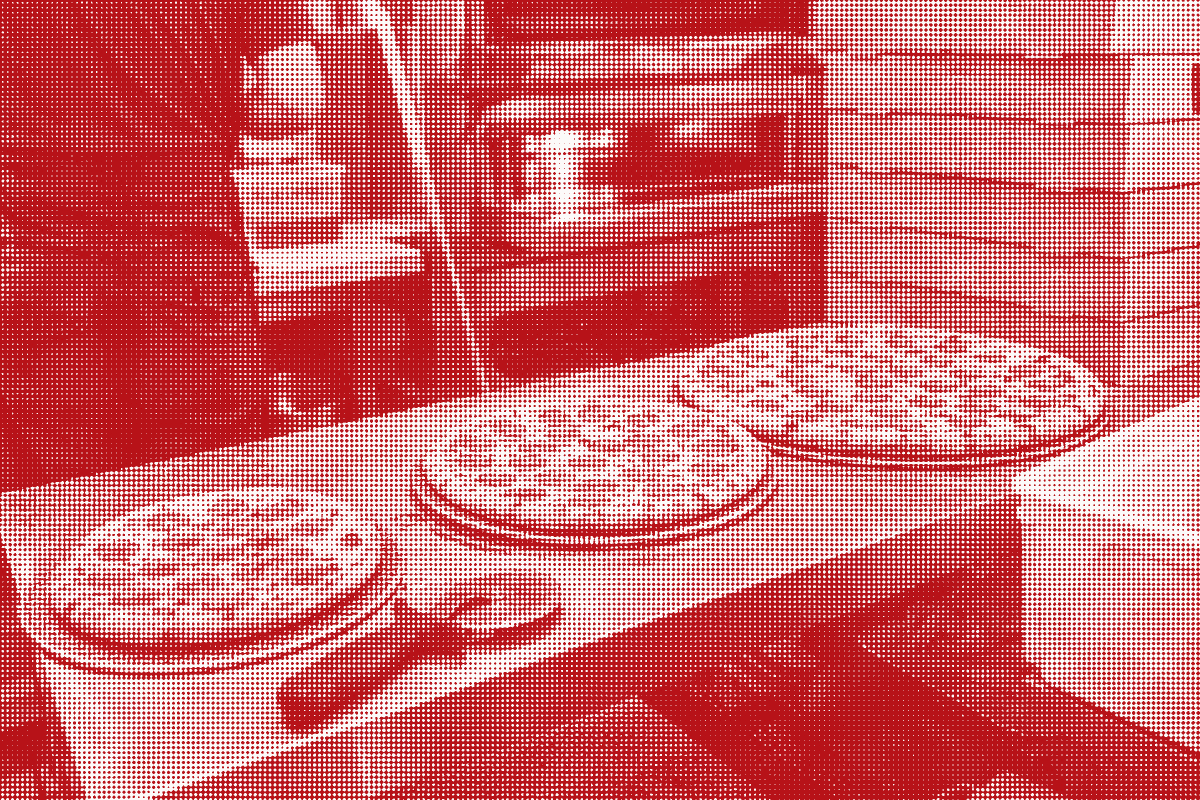
The small shops that run short menus describe the payoff in throughput and staffing. Slice’s profile of Garçon SuperSlice in Salem, Massachusetts, counts nine pizzas, all 18-inch, and a shop that can run a night with two people. At Berkeley’s Cheese Board Collective, which sells one specialty pizza a day, a worker-owner told PMQ that a customer usually gets their pizza in under 30 seconds.
Don’t expect the cut to show up in your traffic
The Bikky numbers are a warning. The spread within small-menu brands was about 40 percentage points in transaction growth, versus around 8 for large-menu brands. A short menu doesn’t decide whether you win. It makes whatever’s on the menu matter more, in both directions. Nine great pies is a reputation. Nine average ones leaves customers nothing else to order.
Free cheat sheet: 15 pizzeria cost benchmarks on one page
Prime cost, labor, delivery and rent, each with its source and a blank for your shop’s number. Enter your email and the download opens right away.
You’ll also get the Oven Scars newsletter. We never sell or share your address.
Our limits here: no one publishes a benchmark for how many pizzas or ingredients an independent shop should carry, and we couldn’t find a pizza-specific study that isolates the effect of a menu cut. The chain examples came bundled with other changes, including new ovens, value pricing, and advertising, so they can’t tell you how much the cut alone did. The Bikky data covers chains in general, not pizzerias. Your own 30-day comparison is the only test that tells you whether your cut worked.